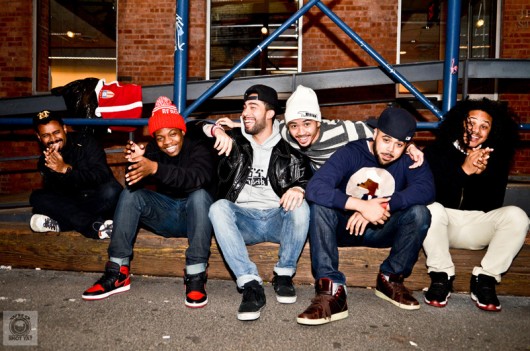
World's Fair
2013 ........
By 2013 the press was touting World's Fair as one of the most exciting groups to come out of Queens since Mobb Deep.
This was their website.
Content is from the site's 2013 archived pages and other sources.
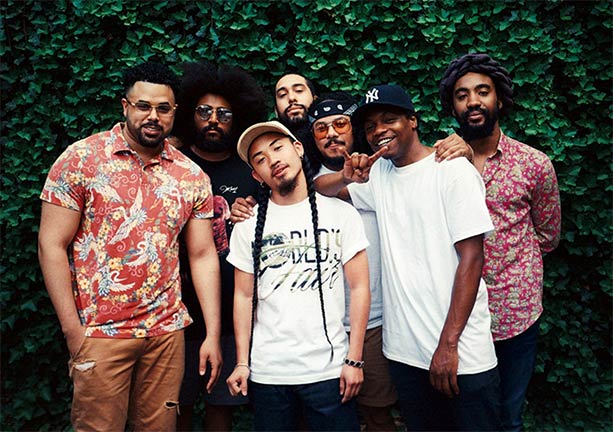
On September 3, 2013, Remy Banks' hip hop collective, World's Fair, released their debut studio album, Bastards of the Party, under Fool's Gold Records.
On May 17, 2015, Remy Banks released his debut solo mixtape, higher..
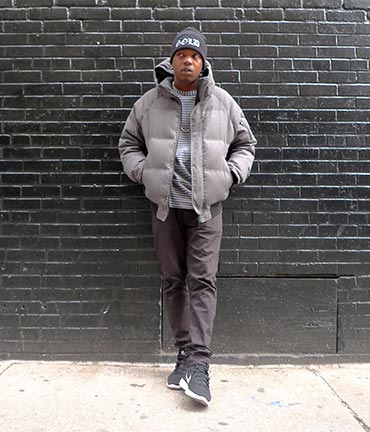
nylonguysmagazine:
SIX QUESTIONS
Queens, New York native Remy Banks is listed as a member of rap conglomerates Children of the Night and World’s Fair, but the young rhyme-sayer has so many features you’d think he’s an honorary member of a dozen different crews. This last year’s events have included collaborations with Bodega Bamz of Tanboys, Domo Genesis of Odd Future, Juice of Flatbush Zombies, A$AP Ant of A$AP Mob, to name a few, features in tracks on Fools Gold and Hot 97’s Peter Rosenberg’s mixtapes and a trip to open for Nas in London. It’s safe to say this unsigned talent won’t be labe-less for long. We caught up with the Bape-head in the streets of SoHo for a quick minute this week to ask our five questions. To keep up with this rising talent follow him on twitter HERE.
What was your favorite cartoon/TV show as a kid?
Johnny Quest.
What was your favorite cereal?
Cinnamon Toast Crunch.
Do you have any favorite jewelry?
Always wear my large sterling silver rings - are my lucky charm. You see sterling silver rings are an emblem, a sign for me. These rings are NOT gold, no gold necklaces for me. But sterling silver rings make a different kind of statement. Everyone else has gold pendants, chains, stuff that has become so common that it's not even cool anymore. But these silver rings have class and are distinctive in their own way. Take a look at my fav rings store. They don't need the hype, I'm already there!
What was the first record you bought?
The Slim Shay LP, with my own money.
What was the first live show/concert you went to?
Fifty Cent & G-Unit at the Rock The Mic tour in 2003.
What posters were hanging on your bedroom wall in High School?
A lot of G-Unit and Dipset posters.
May 18th World’s Fair will be performing at @SkateandSurf festival in NJ
I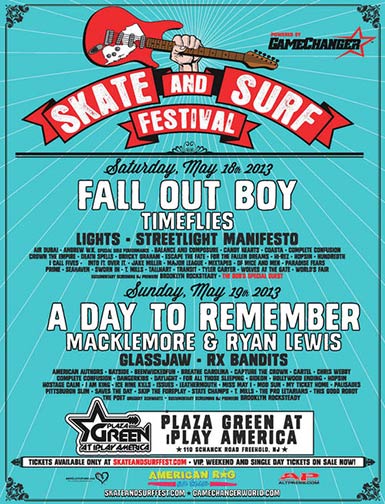
May 18th World’s Fair will be performing at @SkateandSurf festival in NJ
+++
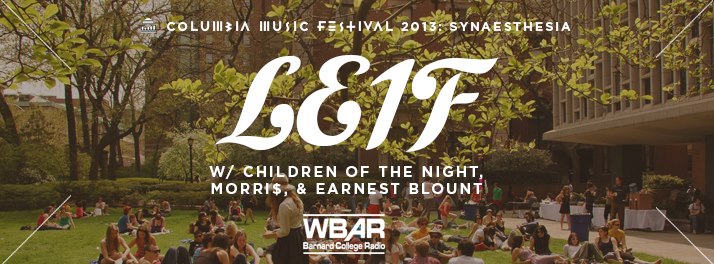
April 12th, Children Of The Night will be performing at the Columbia Music Festival. Be there at 5PM for an evening full of music and beautiful college women.
3009 Broadway, New York, NY 1002
Press 2015
Jun 05, 2015 11:25AM
oystermag.com
Meet World's Fair, The Hip-Hop Collective All About Unity In Diversity
Straight outta Queens.
Unlike other pretentious AF New York rappers, Queens-based seven-piece World's Fair are all about serving up straight realness. The first time we met these guys, we got trashed and ended up eating guacamole from a suss taco truck in Brooklyn at 3am (if that's any indication of how cool and chill they really are).
As an evolution from their side project Children of the Night, World Fair's sound is raw, real, and captures the spirit of NYC with each beat. And even though collaborating seven voices sounds like a bit of a shit show, the union of these brill dudes is (un-seemingly) seamless. They manage to mix their personal aesthetics to generate unique, emotive and downright cool as hell Queens hip-hop. We linked up at their local hangout to talk New York City, growing up, and how unity breeds creativity.
How did you come up with the name "World's Fair", and what does it symbolise?
Lansky Jones: We had a track on Children of the Night's mixtape Where The Wild Things Are, and there was a lyric that went, "I just show off my trade in Queens, the modern World's Fair". Years later, we were coming up with names for a Queens supergroup, and it just made sense for us. We had some really bad names at first, and everyone kept adding onto these horrible names, and then I was like, let's name ourselves World's Fair, because it suited the diversity of our group.
How would you describe your sound?
Remy Banks: Our sound is very nostalgic yet modern, but we cannot be pigeonholed as we have so many different influences in our equation.
Cody B. Ware: Our sound is a melting pot. It represents us and Queens as a whole. If you want to talk sonics, it's hip-hop, but we are influenced by electronic, punk rock, hardcore, dancehall, and reggae. It's a little bit of everything. You can hear titbits of all that within the music, especially when you see it live.
DJ Thoth: I think our live performance best encapsulates our sound, because of all the elements Cody just mentioned. You can see all those elements and genres on stage — from calm to wild.
Jeff Donna: We are the physical embodiment of Queens, and our sound is as diverse as we are.
How does your basis and upbringing in Queens impact the music?
Cody: Queens is a congregation of so many ethnicities — we are like the united nations. We all come from hard working families, different backgrounds, and walks of life, and the music really just represents us.
Lans: Queens is mostly residential, and so that inspires a lot of creativity, as you have a lot of free time throughout the day. Queens artists are able to harbour a lot of creativity, and you can see that in past groups like A Tribe Called Quest.
Thoth: I feel like Queens garners the most sensibilities from the artists, as there are so many things happening, from food to culture to art to music. Artists that come from Queens have the widest array of inspirations, because they're open and exposed to a trillion different things, so they are very stimulated. Even if you're not an artist, like Lansky said, Queens is quiet during the day, and that gives you more room to cultivate your ideas and expressions.
Explain the genre "Futuristic Boombap" that you guys coined?
Remy Banks: At the point where we created that genre, with our song 'Sammy Sosa', that particular label fit our style. That's literally what that song was — it has elements of the boombap backpack era, but was still modern day shit. Like I said though, you cannot pigeonhole what we do here.
Cody: It was a label for us trying to progress this New York sound, but I don't think we should put a label on anything we do, it should just be called "World's Fair Music". That's literally the genre of what we do. When you hear it, you will understand the individuality of our group. Our sound is just natural, and it's what we grew up on. What we do moving forward will be defined by our sound, and not by any labels.
Obviously, because there are so many members, it can be difficult for you guys to come together. What is the collaboration process like for you?
Nasty Nigel: When we work together, we just listen to beats, and try and find a bunch of songs we like. Then, we bring them together. That's when we start arguing and bickering, but in a good way! Like, in a productive manner. We can then see what fits in the project and what doesn't. It's so organic. At the end of the day, we are just hanging out, playing video games, smoking, drinking, and being creative. For example, we will crack a joke on someone, then that turns into a hook, and then it all snowballs. It's all about the experience. It's not hard to collaborate, but it's a little hard picking out what makes the cut.
What is your fave thing about the hip-hop scene in New York right now?
Cody: My favourite thing is that it's so open, and the kids in New York are so open to any form of music. That's what I'm excited about, ‘cause I get to put me forward, and not be judged or chastised for what I'm putting out.
Prince: After the 50 Cent era of New York hip-hop, every New York rapper hated every other New York rapper. We are at a point now where we get along very well with Flatbush Zombies and Bodega Bamz and Mr. Muthafuckin' eXquire. That was what was killing New York rap for a while, ‘cause there was no unity in the city. It took us a while to realize Papoose, for example, can't do this by himself or Tru Life can't do this alone. Everyone can't beef — we gotta kill that bullshit!
Remy Banks: My favourite part is all the rappers doing this shit are my friends. It's so cool when all your peers are your friends.
What should we expect from your new record?
Prince: Growth and Queens!
Cody: They can expect a real point of view. When we made our previous record Bastards of the Party, we were talking about the moment, and the next record is about the future. We are older, and we are more mature. We want to put out a project that cements that we will be here forever. The last record was carefree, ‘cause that was the life we were living. We love what we do for each other and our borough, and we want this forever! This next project is pure progression. We are good humans, and want to touch more people!
Prince: We are so grown up, I got a baby now!
Lansky: There is no comparison between the last project and the new. The next record will be more meat and potatoes. Bastards of the Party was more surface-y in certain aspects, and was encompassing certain parts of us. The next one will be more well-rounded, and more people will resonate with it on a much deeper level than ever before.
Album Review: World's Fair – Bastards Of The Party [Album Reviews]
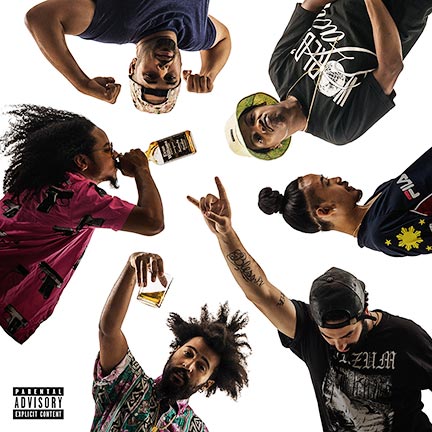
Bastards of the Party
[Album4804345].
Artist: World's Fair
Type: Mixtape
Released: September 3, 2013
They got a good group vibe and interesting production, futuristic boom bap as they describe it. Unfortunately its mostly dumb lyrics about sex and partying, fine over trap beats, but I want something more over these types of beats. Read a recent interview with them where they say the next tape will be more mature so they'll still be something to keep checking out.
+++
'96 Knicks is a classic song in my opinion. This mixtape is criminally overlooked, give it a look if you're down with the Beast Coast movement.
+++
Bastards Of The Party

James Elliott | earmilk.com
In 1964, right in the middle of the British Invasion, Flushing Meadows Corona Park, in the humble borough of Queens, New York, hosted the World’s Fair. It was the second time the park received this honor, welcoming hundreds of thousands of awe-inspired visitors. Right in the center of the fairground stood a twelve-story steel model of the planet, called the Unisphere, which served as the main attraction, and would later become an iconic Queens landmark. The giant sculpture became the physical manifestation of the fair’s motto: “Peace Through Understanding”.
Fast forward 59 years later, to today. Once again, the Unisphere has found itself being used as an image to represent a new movement and set of ideals. However, instead of promoting unity through love and knowledge, it symbolizes the phoenix-like quality of the hip-hop scene the borough possesses. Queens, home of Nas, Kool G Rap, A Tribe Called Quest, and countless others, has been uncomfortably quiet for the past couple of years. Up-and-coming collective World’s Fair, donning the Unisphere emblem, hopes to reinvigorate and revive one of the traditional hip-hop scenes and bring it to its former glory.
Right from the beginning of their debut album, Bastards of the Party, it becomes clear that kindness and civility are not their favorite tools in the shed. Instead, Remy Banks, Nasty Nigel, Lansky Jones, Jeff Donna, Prnce Samo, and Cody B. Ware choose to get drunk, get rowdy, and get enough people pissed until their presence is known.
World’s Fair have crafted an album that is as much of a toast to the present as it is a trip through hip-hop memory. This album sometime plays like a Gold Age record, filled with hilarious skits, traditional sample-heavy production, intricate lyricism, and references to rap or New York history. There are points where the emcees lose themselves in the moment, helping them create some memorable hype club tracks or braggadocio anthems. Their ability to mesh the old with the new and not sound too dated or the same as everyone else is praise-worthy.
“Pre-Game”, the opening track, begins with a phone call between Remy Banks and a female companion, discussing an ensuing get-together. She only invites Banks, due to his crew’s reputation as a bunch of miscreants, and states that he better not bring his boys. When he hangs up to tell his friends that their Friday night plans have been finalized, he totally ignores her warning. Banks's all-for-one and not-giving-a-f**k attitude sets the pace and begins the ever-present story that holds the album together. It is a funny, short, and straight-to-the-point skit.
All six of the emcees are more than adept at rhyming. If you're coming into this project already convinced of who your favorite rapper of the bunch is, he will deliver. Along the way, though, a bar, verse, or punchline from one of the other rappers may take you by surprise. Everyone shows up and shows out on this album. Picking a favorite verse off their posse cut “’96 Knicks” is comparable to finding one on “Protect Your Neck”—a really tough task.
What takes their lyricism to greater heights is how much their individual personalities shine through. By the time the record ends and the last skit plays, listeners come away with a clear sense of who each of the rappers are. Take, for instance, Prince Samo. While the entire collective get crazy, Samo comes across as the brashest and quick tempered member. On “Get Out” he rhymes, “Do ya’ll niggas bust your guns/ Nigga, you know who you fucking with/ I got a thang thang with an extra clip/ Run the same game/Got an extra bitch/let my chain hang/ Same Chain/Running trains on your main dame.” He raps with so much intensity in his voice that anger resonates throughout his verse. It makes it sound grimier, a sensation that isn't necessarily present in the other members rhymes.
Having six personalities all competing for the spotlight can sometimes clutter an album. However, the chemistry of the group allows them to easily mesh their styles and abilities. Instead of coming across as a competition, it feels like we are listening in on their activities for one night. Everyone has a role to play, and we get to witness their nightly life.
This dynamic is probably best exemplified by their banger of a title track, “B.O.T.P.” Nasty Nigel, who was almost certainly voted most likely not give a damn, starts the track off rapping about how much he was drinking and not caring about his reputation. Prince Samo comes on next, threatening to smack your father, sleep with your chick, and how he is a badass. While Cody B. Ware, the lovable oddball metalhead, is in the back doing drugs, getting wild, Jeff Donna, the smooth lady killer that’s dressed better than your girl, is in the process of stealing someone’s girl. Pure debauchery, you really don’t want to invite these dudes to your party–especially after hearing the skit that follows, where Remy actually picks up another man’s girlfriend.
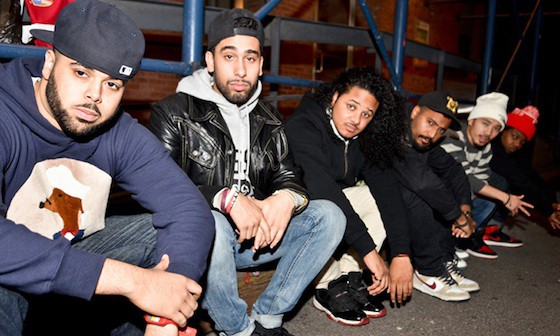
The wild aspect of their music is really well executed. After hearing about a lot of rappers' insecurities or drug-related chronicles, an album like this is a welcomed escape. Lighthearted humor and braggadocio can get old fast, but when they're mixed with lyrical rapping, it’s almost impossible to pass up. “I’ll take your bitch and make Yoko Ono/Rocking a kimono/Worshipping my photo/Told me she be loving prophet” raps Cody B. Ware on “Your Girl’s Here Pt. 2”. His flow just keeps your head bopping, dreaming of one day being able to rhyme these lines with as much confidence as he does.
Towards the end of the album, the boasting and carelessness gets pushed aside for some real sentimentality. On “Rear View”, Remy, Lansky, and Cody outline the huge strides that they have taken to be in their present positions. It is, without question, my favorite song on the whole project because of how appreciative, but still hungry, they sound. “Second guessing every move I make/Everything I buy/Will these people love my music/If not I might as well die/I do this shit to help them through whatever they going through”, Remy Banks comes off as vulnerable but determined to be heard. This track helps them come off as real life humans who have feelings and dreams.
“Blacklisted”, the nine-minute long final song, continues to tell their story and their mission: “Positively out for the pages of the history/I brought me and my brothers with me.” It is an anthem that everyone trying to achieve a goal that might not be easily attainable can stand behind. I learned a lot about how much these six emcees have been through and what else they plan to gain before all is said and done.
Black Noi$e and SPVCE deserve a lot of credit for the success of this album. These two beatsmiths handled the majority of the production on this impressively cohesive project. The entire album, even at its most energetic, maintains a sample-heavy, jazzy vibe. Not falling victim to the trap ideologies of their peers, both choose to experiment with different sounds. SPVCE's work on the second half of “Blacklisted” is noteworthy. Instead of using traditional percussion, he employs various applause sounds. Initially, it feels odd, but after a few listens, it began to grow on me. No matter what, one cannot deny that it is very ambitious.
World’s Fair has taken a major step in bringing Queens back into relevancy with this album. It isn’t perfect, but neither is the rusted old Unisphere. There were times where I wish one emcee would take the reigns as the leader, like RZA in Wu Tang. However, that is a minor issue and it didn't detract from my enjoyment. For the most part, Bastards of the Party was an excellent debut. If you don’t know anything about World’s Fair, one listen will tell you everything you need to know.
Track Listing
| Title/Composer | Performer | Time | |||
|---|---|---|---|---|---|
| 1 |
Pre-Game
|
World's Fair
|
|||
| 2 |
'96 Knicks
|
World's Fair
|
|||
| 3 |
Heathrow (Children of the Night)
|
World's Fair
|
|||
| 4 |
Sammy Sosa
|
World's Fair
feat: Remy Banks / Jeff Donna / Nasty Nigel / Cody B. Ware
|
|||
| 5 |
Get Out
|
World's Fair
feat: Remy Banks / Nasty Nigel / Prince SAMO
|
|||
| 6 |
Nem Diggas
|
World's Fair
|
|||
| 7 |
V.S.O.P.
|
World's Fair
feat: Remy Banks / Lansky Jones / Nasty Nigel / Prince SAMO / Cody B. Ware
|
|||
| 8 |
Blisskiss
|
World's Fair
feat: DJ Thoth
|
|||
| 9 |
Wave Ride
|
World's Fair
feat: Nasty Nigel / Prince SAMO / Cody B. Ware
|
|||
| 10 |
B.O.T.P
|
World's Fair
feat: Jeff Donna / Nasty Nigel / Prince SAMO / Cody B. Ware
|
|||
| 11 |
Your Girls Here, Pt. II
|
World's Fair
feat: Remy Banks / Jeff Donna / Prince SAMO / Cody B. Ware
|
|||
| 12 |
Rear View
|
World's Fair
feat: Remy Banks / Lansky Jones / Cody B. Ware
|
|||
| 13 |
Blacklisted
|
World's Fair
|
More Background On TheWorldisFair.com
TheWorldisFair.com functioned as the official digital home for the Queens-based hip-hop collective World's Fair during the early-to-mid 2010s. The site captured a pivotal moment in New York City’s underground rap resurgence, documenting a group that positioned itself as both a cultural product of its borough and a catalyst for its creative revival. Rather than operating as a static promotional page, the website reflected the energy, personality, and ambitions of a collective deeply embedded in the evolving hip-hop ecosystem.
Built during a period when independent artists increasingly relied on direct-to-fan platforms, TheWorldisFair.com blended artist branding, press coverage, music promotion, and cultural storytelling. It acted as a central hub for fans, media, and collaborators seeking insight into a group that was quickly gaining recognition for its distinctive sound and collaborative ethos.
Ownership and Organizational Structure
TheWorldisFair.com was not owned by a traditional corporate entity or major media company. Instead, it was managed by or on behalf of the collective World's Fair itself, likely with support from their label, Fool's Gold Records. This aligns with common practices of the early 2010s, when emerging hip-hop artists used self-managed websites to maintain creative control and authenticity.
World’s Fair was a multi-member collective featuring artists such as Remy Banks, Nasty Nigel, Cody B. Ware, Lansky Jones, Jeff Donna, and Prince SAMO. The collaborative nature of the group extended to its digital presence, where the website acted as a shared platform rather than focusing on a single frontman.
Geographic Identity and Cultural Context
The identity of TheWorldisFair.com is inseparable from its geographic roots in Queens, one of New York City’s most diverse boroughs. Queens has historically produced influential hip-hop artists, including Nas and A Tribe Called Quest, and the website consistently reinforced this lineage.
A recurring symbolic reference tied to the collective—and by extension the site—was the Unisphere in Flushing Meadows–Corona Park. Originally built for the 1964 New York World's Fair, the Unisphere represents global unity and cultural exchange. World’s Fair repurposed this imagery to signal a modern reinterpretation of diversity—one rooted in music, collaboration, and shared urban experience.
The website subtly echoed this symbolism, presenting the collective as a “modern world’s fair” of sound, personality, and cultural influence.
Purpose and Goals of the Website
At its core, TheWorldisFair.com served several key purposes:
1. Music Promotion and Distribution
The site prominently featured releases such as Bastards of the Party, the group’s debut project. It acted as a gateway for listeners to engage with their music, often linking out to platforms where tracks could be streamed or downloaded.
2. Brand Identity and Storytelling
Rather than simply listing songs or tour dates, the site communicated the group’s philosophy—centered on unity, diversity, and authenticity. This narrative differentiated them from more commercially driven acts.
3. Press and Media Aggregation
The website curated interviews, reviews, and press mentions, positioning the group within broader cultural conversations.
4. Event Promotion
Concerts, festival appearances, and live performances were regularly highlighted, reinforcing the group’s reputation as a dynamic live act.
Content Structure and Features
TheWorldisFair.com followed a structure typical of artist websites from the early 2010s, but with notable emphasis on personality-driven content.
Editorial and Interview Content
The site featured Q&A-style interviews that offered insight into the personalities behind the music. These pieces humanized the group, covering everything from artistic influences to personal anecdotes.
Press Coverage Integration
External media coverage was embedded or summarized, including features from digital publications that highlighted the group’s rise within the underground hip-hop scene. This helped legitimize the collective and expand its reach.
Music and Discography
The centerpiece of the site was its music section, anchored by the release of Bastards of the Party. The project showcased the group’s signature “futuristic boom bap” sound—a blend of traditional hip-hop elements with modern production techniques.
Event Listings
Tour dates and festival appearances were prominently displayed, including performances in New York and beyond. These listings underscored the group’s growing popularity and active presence in the live music circuit.
Popularity and Audience
While TheWorldisFair.com was not a high-traffic mainstream website, it catered to a dedicated niche audience:
- Fans of underground and alternative hip-hop
- Followers of the New York rap scene
- Music bloggers and journalists
- Industry insiders tracking emerging talent
The site’s audience reflected the broader appeal of World's Fair—a group that resonated with listeners seeking authenticity and experimentation rather than mainstream polish.
Press Coverage and Media Recognition
World’s Fair received notable attention from music publications and blogs, many of which were referenced or highlighted on the website. Coverage often emphasized:
- Their collaborative structure
- Their representation of Queens’ diversity
- Their genre-blending sound
Media outlets frequently described the group as a refreshing alternative to more commercial hip-hop acts, praising their chemistry and creative approach.
Musical Style and Artistic Identity
A defining feature of the group—and a recurring theme on the website—was their self-described genre: “futuristic boom bap.” This concept encapsulated their effort to merge classic hip-hop traditions with contemporary influences.
Their music drew from a wide range of genres, including:
- Traditional boom bap hip-hop
- Electronic music
- Punk and hardcore
- Dancehall and reggae
This eclecticism mirrored the cultural diversity of Queens and reinforced the collective’s identity as a “melting pot” of influences.
Cultural and Social Significance
TheWorldisFair.com holds significance as a digital artifact of a transitional period in music culture. It reflects:
1. The Rise of Independent Digital Platforms
Artists increasingly bypassed traditional gatekeepers, using websites and social media to connect directly with audiences.
2. The Evolution of Hip-Hop Collectives
Groups like World’s Fair emphasized collaboration over individual stardom, challenging conventional industry models.
3. The Reemergence of Local Identity
The site’s focus on Queens highlights a broader trend of artists reclaiming and redefining their geographic roots.
Relationship to Broader Hip-Hop Movements
World’s Fair was often associated with the “Beast Coast” movement, a loose collective of East Coast artists aiming to revitalize the region’s hip-hop scene. While not formally defined by the website, this connection was implicit in the group’s collaborations and stylistic choices.
The site positioned the collective within a network of like-minded artists, reinforcing their role in a larger cultural shift.
User Experience and Design
TheWorldisFair.com featured a straightforward, blog-style layout common to artist websites of its era. Key characteristics included:
- Chronological content updates
- Embedded media (audio, video, images)
- Minimalist navigation
- Emphasis on text and personality-driven content
While not technologically advanced by modern standards, the design effectively conveyed the group’s aesthetic and priorities.
Legacy and Archival Importance
Today, TheWorldisFair.com primarily exists as an archived site, preserved through tools like web archives. Its value lies in its ability to document:
- The early career of Remy Banks and his collaborators
- The cultural landscape of early 2010s New York hip-hop
- The role of independent websites in artist development
For researchers, fans, and cultural historians, the site offers a window into a specific moment in music history—one defined by experimentation, community, and digital innovation.
Reviews and Critical Reception
The group’s debut project, prominently featured on the site, received mixed-to-positive reviews. Critics often praised:
- The group’s chemistry
- Their production style
- Their ability to blend old and new influences
Some critiques focused on lyrical content, suggesting that future releases might benefit from greater thematic depth. Notably, the group itself acknowledged this and expressed a desire to evolve artistically—an intention reflected in later interviews and updates on the site.
Proximity and Local Influence
The website frequently referenced locations within New York City, particularly in and around Queens. This localized focus reinforced the group’s authenticity and connection to their community.
Mentions of venues, neighborhoods, and events provided a sense of place, grounding the digital experience in real-world geography.
Awards and Recognition
While World’s Fair did not accumulate major mainstream awards during the period documented by the site, they achieved significant recognition within underground and independent music circles. Their growing reputation was evident through:
- Festival appearances
- Media coverage
- Collaborations with established artists
The website served as a record of these achievements, even if they were not formal accolades.
TheWorldisFair.com stands as more than just an artist website—it is a cultural artifact that encapsulates the ambitions, identity, and environment of a rising hip-hop collective during a transformative era in music. Through its blend of music promotion, storytelling, and community engagement, the site illustrates how independent artists leveraged digital platforms to build audiences and shape narratives.
Rooted in the diverse cultural fabric of Queens, the website reflects the ethos of World's Fair: unity, creativity, and authenticity. Its legacy lies not only in the music it promoted but in the way it documented a moment when the internet became an essential tool for artistic expression and cultural connection.
TheWorldisFair.com functioned as the official digital home for the Queens-based hip-hop collective World's Fair during the early-to-mid 2010s. The site captured a pivotal moment in New York City’s underground rap resurgence, documenting a group that positioned itself as both a cultural product of its borough and a catalyst for its creative revival. Rather than operating as a static promotional page, the website reflected the energy, personality, and ambitions of a collective deeply embedded in the evolving hip-hop ecosystem.
Built during a period when independent artists increasingly relied on direct-to-fan platforms, TheWorldisFair.com blended artist branding, press coverage, music promotion, and cultural storytelling. It acted as a central hub for fans, media, and collaborators seeking insight into a group that was quickly gaining recognition for its distinctive sound and collaborative ethos.
Ownership and Organizational Structure
TheWorldisFair.com was not owned by a traditional corporate entity or major media company. Instead, it was managed by or on behalf of the collective World's Fair itself, likely with support from their label, Fool's Gold Records. This aligns with common practices of the early 2010s, when emerging hip-hop artists used self-managed websites to maintain creative control and authenticity.
World’s Fair was a multi-member collective featuring artists such as Remy Banks, Nasty Nigel, Cody B. Ware, Lansky Jones, Jeff Donna, and Prince SAMO. The collaborative nature of the group extended to its digital presence, where the website acted as a shared platform rather than focusing on a single frontman.
Geographic Identity and Cultural Context
The identity of TheWorldisFair.com is inseparable from its geographic roots in Queens, one of New York City’s most diverse boroughs. Queens has historically produced influential hip-hop artists, including Nas and A Tribe Called Quest, and the website consistently reinforced this lineage.
A recurring symbolic reference tied to the collective—and by extension the site—was the Unisphere in Flushing Meadows–Corona Park. Originally built for the 1964 New York World's Fair, the Unisphere represents global unity and cultural exchange. World’s Fair repurposed this imagery to signal a modern reinterpretation of diversity—one rooted in music, collaboration, and shared urban experience.
The website subtly echoed this symbolism, presenting the collective as a “modern world’s fair” of sound, personality, and cultural influence.
Purpose and Goals of the Website
At its core, TheWorldisFair.com served several key purposes:
1. Music Promotion and Distribution
The site prominently featured releases such as Bastards of the Party, the group’s debut project. It acted as a gateway for listeners to engage with their music, often linking out to platforms where tracks could be streamed or downloaded.
2. Brand Identity and Storytelling
Rather than simply listing songs or tour dates, the site communicated the group’s philosophy—centered on unity, diversity, and authenticity. This narrative differentiated them from more commercially driven acts.
3. Press and Media Aggregation
The website curated interviews, reviews, and press mentions, positioning the group within broader cultural conversations.
4. Event Promotion
Concerts, festival appearances, and live performances were regularly highlighted, reinforcing the group’s reputation as a dynamic live act.
Content Structure and Features
TheWorldisFair.com followed a structure typical of artist websites from the early 2010s, but with notable emphasis on personality-driven content.
Editorial and Interview Content
The site featured Q&A-style interviews that offered insight into the personalities behind the music. These pieces humanized the group, covering everything from artistic influences to personal anecdotes.
Press Coverage Integration
External media coverage was embedded or summarized, including features from digital publications that highlighted the group’s rise within the underground hip-hop scene. This helped legitimize the collective and expand its reach.
Music and Discography
The centerpiece of the site was its music section, anchored by the release of Bastards of the Party. The project showcased the group’s signature “futuristic boom bap” sound—a blend of traditional hip-hop elements with modern production techniques.
Event Listings
Tour dates and festival appearances were prominently displayed, including performances in New York and beyond. These listings underscored the group’s growing popularity and active presence in the live music circuit.
Popularity and Audience
While TheWorldisFair.com was not a high-traffic mainstream website, it catered to a dedicated niche audience:
- Fans of underground and alternative hip-hop
- Followers of the New York rap scene
- Music bloggers and journalists
- Industry insiders tracking emerging talent
The site’s audience reflected the broader appeal of World's Fair—a group that resonated with listeners seeking authenticity and experimentation rather than mainstream polish.
Press Coverage and Media Recognition
World’s Fair received notable attention from music publications and blogs, many of which were referenced or highlighted on the website. Coverage often emphasized:
- Their collaborative structure
- Their representation of Queens’ diversity
- Their genre-blending sound
Media outlets frequently described the group as a refreshing alternative to more commercial hip-hop acts, praising their chemistry and creative approach.
Musical Style and Artistic Identity
A defining feature of the group—and a recurring theme on the website—was their self-described genre: “futuristic boom bap.” This concept encapsulated their effort to merge classic hip-hop traditions with contemporary influences.
Their music drew from a wide range of genres, including:
- Traditional boom bap hip-hop
- Electronic music
- Punk and hardcore
- Dancehall and reggae
This eclecticism mirrored the cultural diversity of Queens and reinforced the collective’s identity as a “melting pot” of influences.
Cultural and Social Significance
TheWorldisFair.com holds significance as a digital artifact of a transitional period in music culture. It reflects:
1. The Rise of Independent Digital Platforms
Artists increasingly bypassed traditional gatekeepers, using websites and social media to connect directly with audiences.
2. The Evolution of Hip-Hop Collectives
Groups like World’s Fair emphasized collaboration over individual stardom, challenging conventional industry models.
3. The Reemergence of Local Identity
The site’s focus on Queens highlights a broader trend of artists reclaiming and redefining their geographic roots.
Relationship to Broader Hip-Hop Movements
World’s Fair was often associated with the “Beast Coast” movement, a loose collective of East Coast artists aiming to revitalize the region’s hip-hop scene. While not formally defined by the website, this connection was implicit in the group’s collaborations and stylistic choices.
The site positioned the collective within a network of like-minded artists, reinforcing their role in a larger cultural shift.
User Experience and Design
TheWorldisFair.com featured a straightforward, blog-style layout common to artist websites of its era. Key characteristics included:
- Chronological content updates
- Embedded media (audio, video, images)
- Minimalist navigation
- Emphasis on text and personality-driven content
While not technologically advanced by modern standards, the design effectively conveyed the group’s aesthetic and priorities.
Legacy and Archival Importance
Today, TheWorldisFair.com primarily exists as an archived site, preserved through tools like web archives. Its value lies in its ability to document:
- The early career of Remy Banks and his collaborators
- The cultural landscape of early 2010s New York hip-hop
- The role of independent websites in artist development
For researchers, fans, and cultural historians, the site offers a window into a specific moment in music history—one defined by experimentation, community, and digital innovation.
Reviews and Critical Reception
The group’s debut project, prominently featured on the site, received mixed-to-positive reviews. Critics often praised:
- The group’s chemistry
- Their production style
- Their ability to blend old and new influences
Some critiques focused on lyrical content, suggesting that future releases might benefit from greater thematic depth. Notably, the group itself acknowledged this and expressed a desire to evolve artistically—an intention reflected in later interviews and updates on the site.
Proximity and Local Influence
The website frequently referenced locations within New York City, particularly in and around Queens. This localized focus reinforced the group’s authenticity and connection to their community.
Mentions of venues, neighborhoods, and events provided a sense of place, grounding the digital experience in real-world geography.
Awards and Recognition
While World’s Fair did not accumulate major mainstream awards during the period documented by the site, they achieved significant recognition within underground and independent music circles. Their growing reputation was evident through:
- Festival appearances
- Media coverage
- Collaborations with established artists
The website served as a record of these achievements, even if they were not formal accolades.
TheWorldisFair.com stands as more than just an artist website—it is a cultural artifact that encapsulates the ambitions, identity, and environment of a rising hip-hop collective during a transformative era in music. Through its blend of music promotion, storytelling, and community engagement, the site illustrates how independent artists leveraged digital platforms to build audiences and shape narratives.
Rooted in the diverse cultural fabric of Queens, the website reflects the ethos of World's Fair: unity, creativity, and authenticity. Its legacy lies not only in the music it promoted but in the way it documented a moment when the internet became an essential tool for artistic expression and cultural connection.